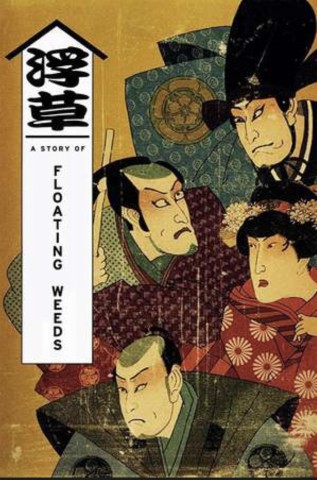
A Story of Floating Weeds
No Longer Playing
1934 86 min

Presented by Chicago Film Society
Sponsored in part by Asian Improv aRts Midwest.
Live musical accompaniment by the MIYUMI Project Japanese Experimental Ensemble
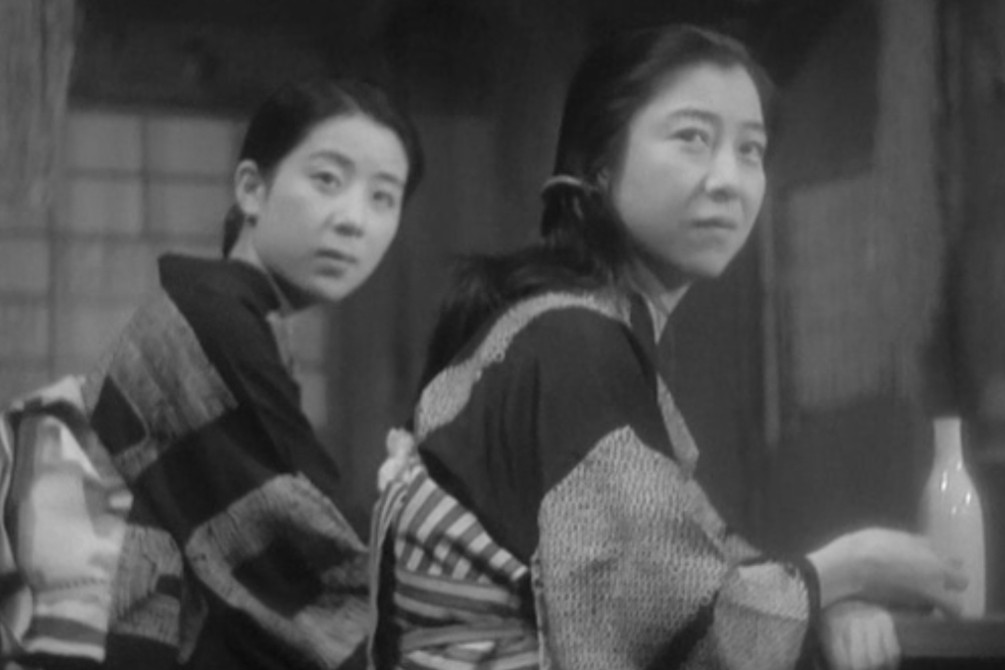
Early in his career, Japanese filmmaker Yasujirō Ozu regularly channelled the snappy verve of American commercial cinema, name-checking Ernst Lubitsch and Harold Lloyd and fashioning transpacific translations of gangster films and melodramas. (In the fanciful world of silent Ozu, everyone is a cinephile with a Hollywood sweet tooth, with posters for Our Dancing Daughters and The Champ hanging in office buildings and apartments.) Even A Story of Floating Weeds, an understated and seemingly culturally-specific account of a kabuki ensemble touring the Japanese countryside, was inspired by the 1928 carnival drama The Barker from American studio First National. In Ozu’s version, Kihachi (Takeshi Sakamoto) leads a band of actors eking out sustenance and little more, cheerfully trouping through provincial theaters with leaky roofs. When they arrive by train at a quiet town in the mountains, Kihachi seeks out Otsune (Chôko Iida), the mother of the son he fathered on a tour many years ago. The son, Shinkichi (Kôji Mitsui), believes that Kihachi is his long-absent but fun-loving uncle, good for a fishing lesson and nothing more. When Kihachi’s lover Otaka (Emiko Yagumo), a fellow actor, learns of his clandestine meetings with Otsune, she orchestrates a plot to smoke out his secret passions. This simple, beautifully spare narrative demonstrated Ozu’s evolving craftsmanship and pointed the way towards a more idiosyncratic style that left familiar genre tropes, Hollywood or otherwise, far behind. The sturdy perfection of Ozu’s new style was confirmed a quarter century later when he remade the film as Floating Weeds, which, despite the addition of sound, color, and a seaside locale, repeated many of the same shots, gestures, and jokes with undiminished impact.
Music Box Theatre screens films of all genres and from every era of cinema, both new releases and repertory. These films may sometimes contain upsetting, outdated, or offensive material. While we aim to introduce many of our screenings, we do not always provide warnings about potentially triggering content within the films we screen. We encourage our patrons to research the film before they attend using trailers, reviews, or content information found on Common Sense Media, IMDb and DoesTheDogDie.com.
Recommended Films

Castration Movie Chapter iii. Junior Ghosts—Premorphic Drift; a fragmentary passage
Castration Movie Anthology ii. The Best of Both Worlds