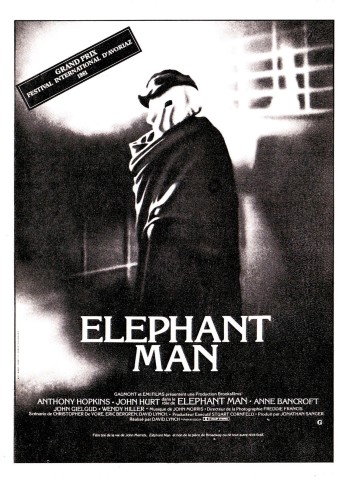
The Elephant Man
No Longer Playing
1980 124 min
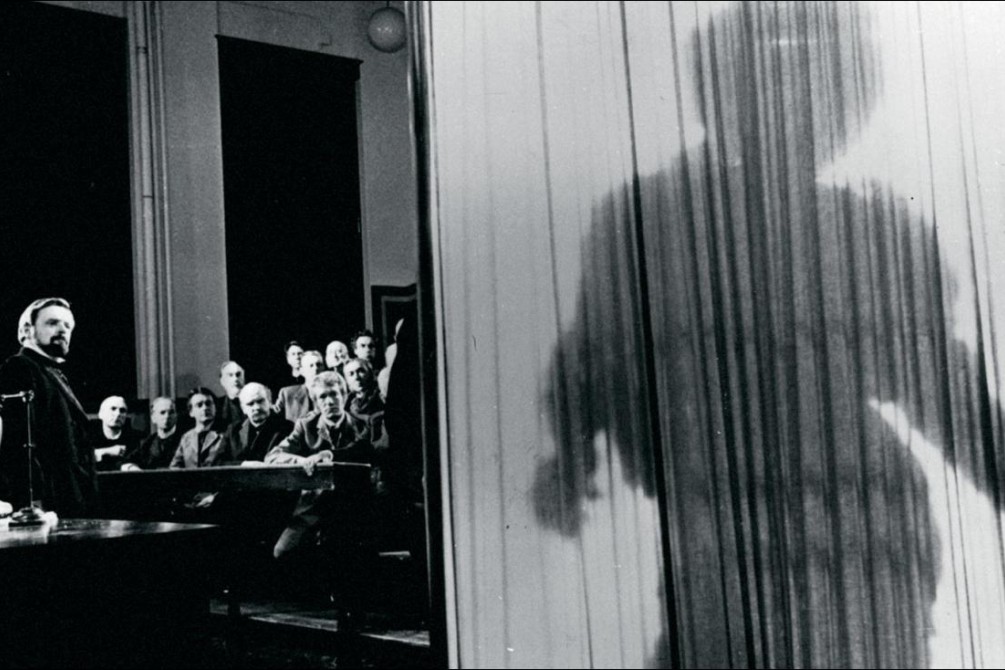

4K Restoration
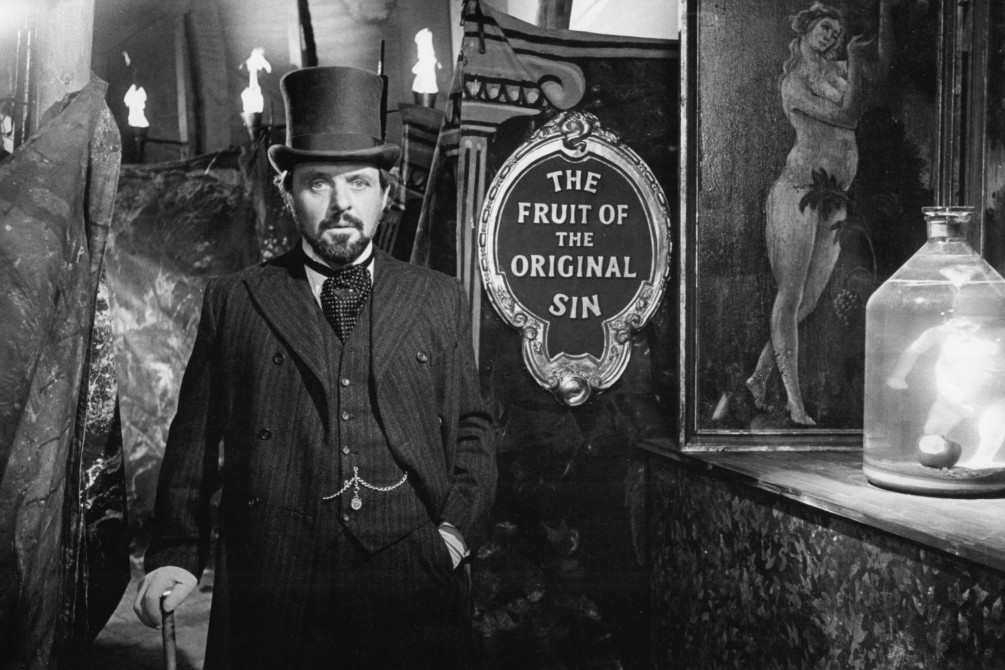
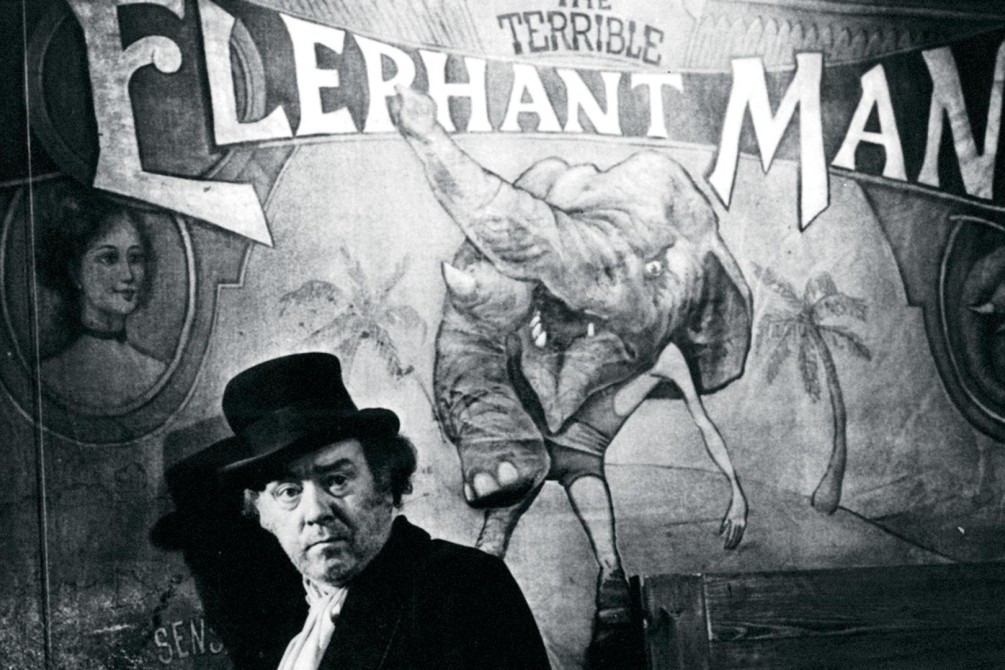
With this poignant second feature, David Lynch brought his atmospheric visual and sonic palette to a notorious true story set in Victorian England. When the London surgeon Frederick Treves (Anthony Hopkins) meets the freak-show performer John Merrick (John Hurt), who has severe skeletal and soft-tissue deformities, he assumes that he must be intellectually disabled as well. As the two men spend more time together, though, Merrick reveals the intelligence, gentle nature, and profound sense of dignity that lie beneath his shocking appearance, and he and Treves develop a friendship. Shot in gorgeous black and white and boasting a stellar supporting cast that includes Anne Bancroft, John Gielgud, and Wendy Hiller, THE ELEPHANT MAN was nominated for eight Academy Awards, cementing Lynch’s reputation as one of American cinema’s most visionary talents.
Music Box Theatre screens films of all genres and from every era of cinema, both new releases and repertory. These films may sometimes contain upsetting, outdated, or offensive material. While we aim to introduce many of our screenings, we do not always provide warnings about potentially triggering content within the films we screen. We encourage our patrons to research the film before they attend using trailers, reviews, or content information found on Common Sense Media, IMDb and DoesTheDogDie.com.
Recommended Films



Castration Movie Chapter iii. Junior Ghosts—Premorphic Drift; a fragmentary passage

Castration Movie Anthology ii. The Best of Both Worlds